The Poorest Kind of Bread
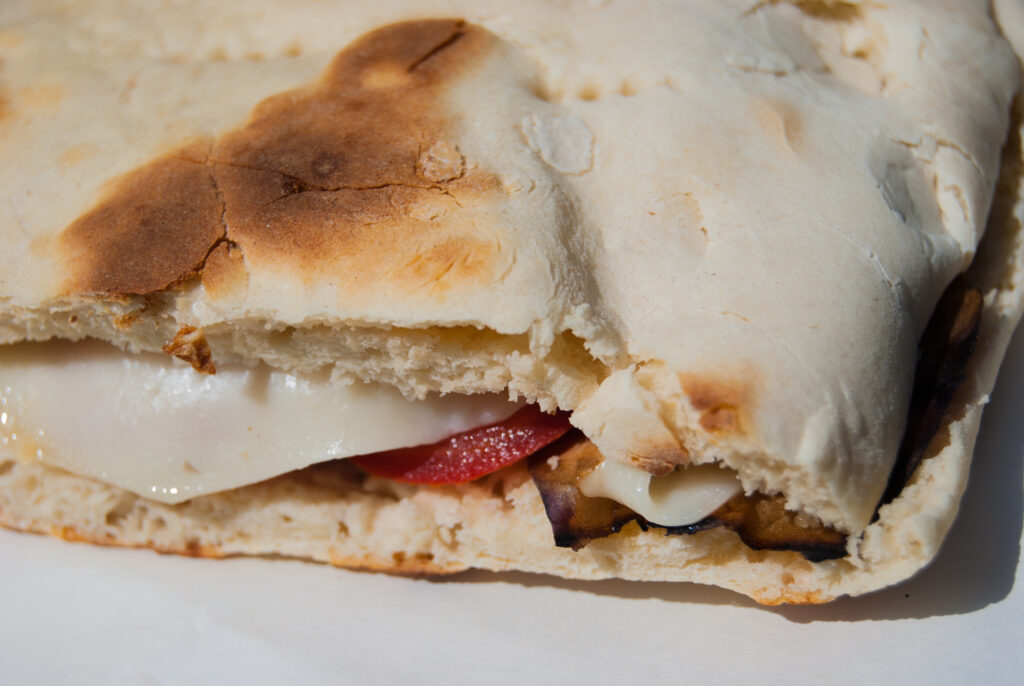
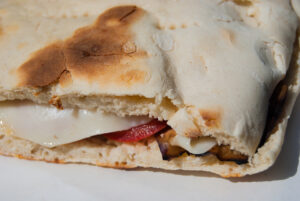
One product that has so many varieties as to mirror, in one way or another, the richness of Italy in lands and traditions, is surely the bread. In our country there are kinds of bread completely different as to their history, ingredients, and shapes. Well, in this rich panorama, Umbrian bread distinguishes itself for its poverty. It is so simple that it even lacks salt! As is often the case, at the basis of traditional recipes or products there are events far away in history, and unsalted bread makes no exception
When History Turns into Tradition
Apparently, the use of unsalted bread dates back to the so-called “war for the salt” in 1540, namely when the Pope imposed a heavy tax on salt throughout the Papal States. Perugia rebelled, and this is how the war began. Things may or may not have been exactly like that, anyway the habit of making bread sciapo (pron. sh-ya-Poe; unsalted) is surely due to the then high price of this ingredient, that since the oldest eras was absolutely needed, especially in order to preserve food.
Quite independently of historical causes, unsalted bread well represents the Umbrians' nature, and lies at the core of Umbrian cuisine. A cuisine that has its deepest soul in absolute simplicity, wholly respectful of what Nature gives – with no special processing except when needed to “tame wild” ingredients like game or bitter herbs. So, unsalted bread proves an ideal partner to the strong tastes of main courses.
A Successful Marriage
The co-protagonist in Umbrian cuisine is olive oil, a natural wonder that has always been part and parcel of everyday life in Umbrian families. And precisely local bread is considered the best way to taste our olive oil. The most iconic food of Umbria is probably bruschetta, a slice of bread seared and soaked with oil. It cannot be missing from our tables, especially during the months in which olives are beaten down and ground: a true sign of our social identity. Yes, it is a joy to learn to eat bruschetta since one's childhood! Again as you grow up, this habit – in spite of remaining the same – will bring you back to the essentials of life. To prepare bruschetta as a snack, or to start one's supper, is a fine trait of hospitality.
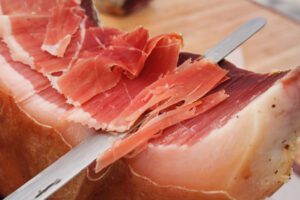
Likewise, unsalted bread is the most suitable base for Umbrian cold cuts, whose processing is so ancient, so deeply rooted in this geographical area that pork butchery is called norcineria after the town name of Norcia.