More than ten thousand years ago, the areas now included within the borders of Umbria were inhab-ited by the peoples of the Paleolithic and Neolithic Eras. About the eighth and seventh centuries BC, this land was ruled over partly by the Etruscans, north of Tiber River, partly by Ancient Um-brians southward. The territory would be later unified by the Romans, who subjugated the older in-habitants, but also granted them the status of Roman citizens. With the rise of Emperor Octavian Augustus, Umbria then became a part of the Roman Empire – up until its fall.
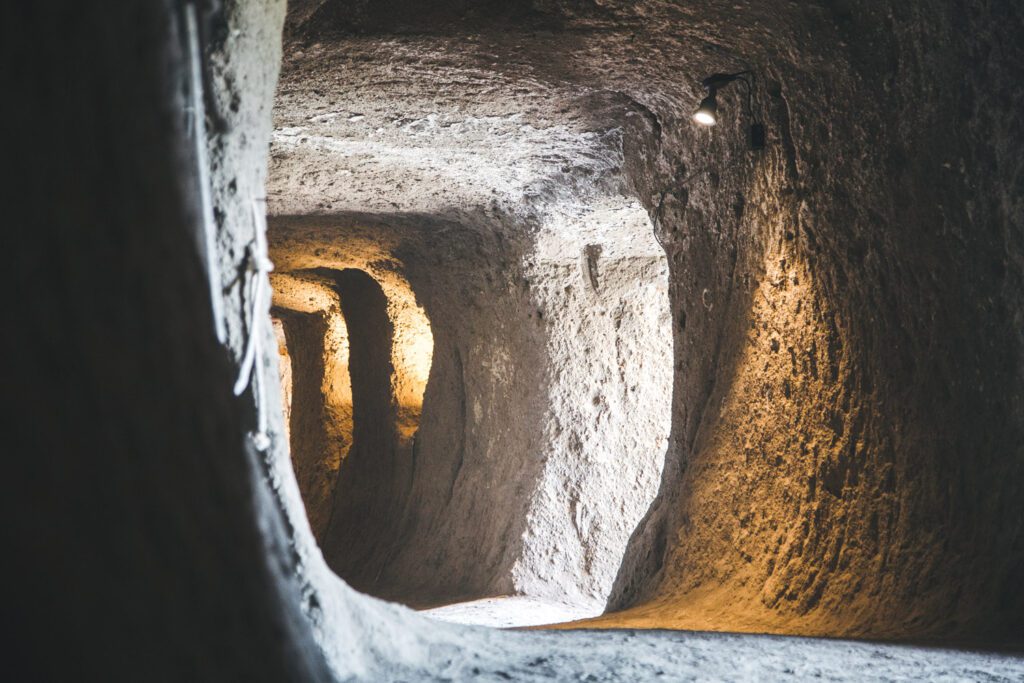
In the sixth century AD, the area was contested for by Byzantium and the Goths, and finally occu-pied by Lombard Duchies. All these historical vicissitudes are documented by important archaeo-logical areas, such as Perugia Sotterranea (Underground Perugia), Carsulae, the Necropolis by the Tuff Crucifix in Orvieto, as well as Orvieto Underground, the Roman Theater in Gubbio, and the small town of Amelia.
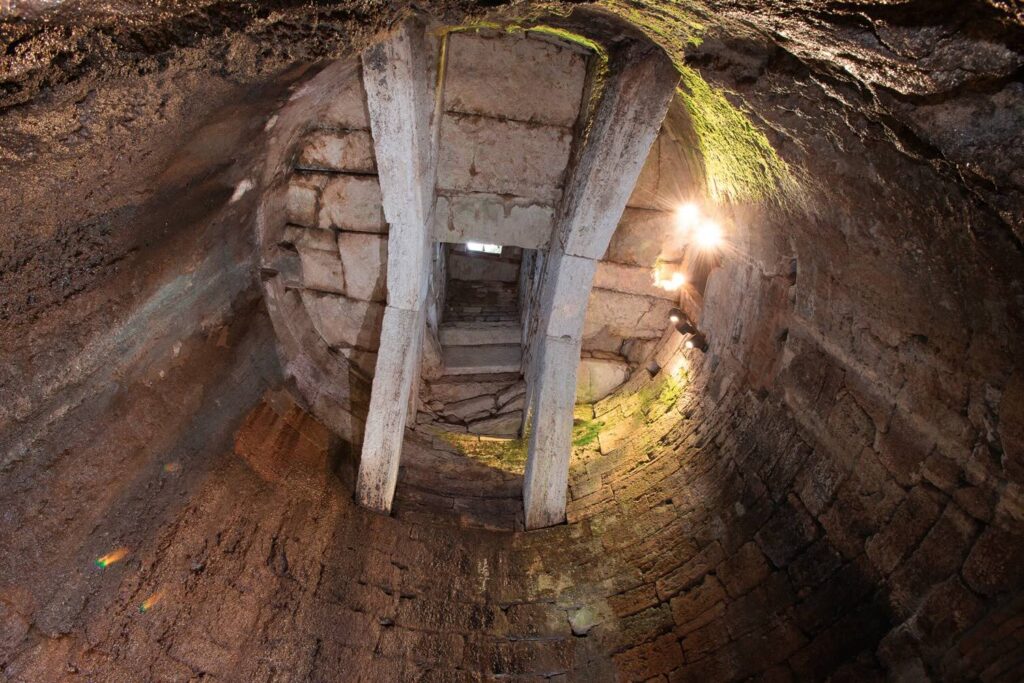
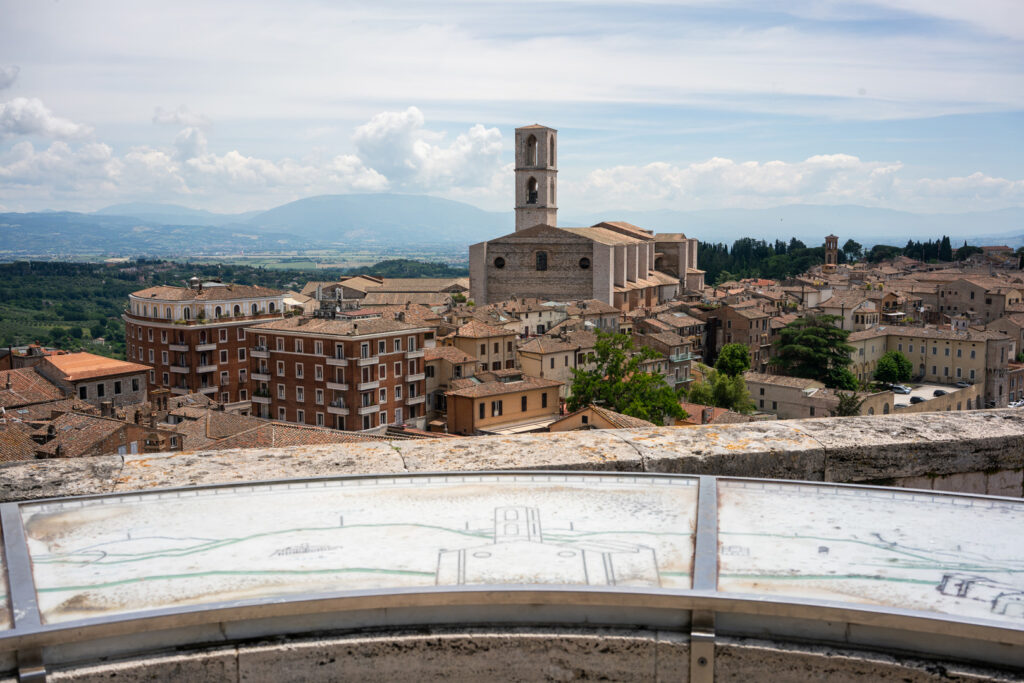
Later on, Umbria would remain under the Papal States for centuries. For example, there still is in Perugia a so-called “Hall of Conclaves,” and many Popes left signs of their presence in Umbria and its culture: Clement VII had the Well of Saint Patrick made in Orvieto; Paul III had the Rocca Paolina (Pauline Fortress) built in Perugia; while, again in Perugia, the bones of Benedict XI are buried inside Saint Dominic's Basilica.
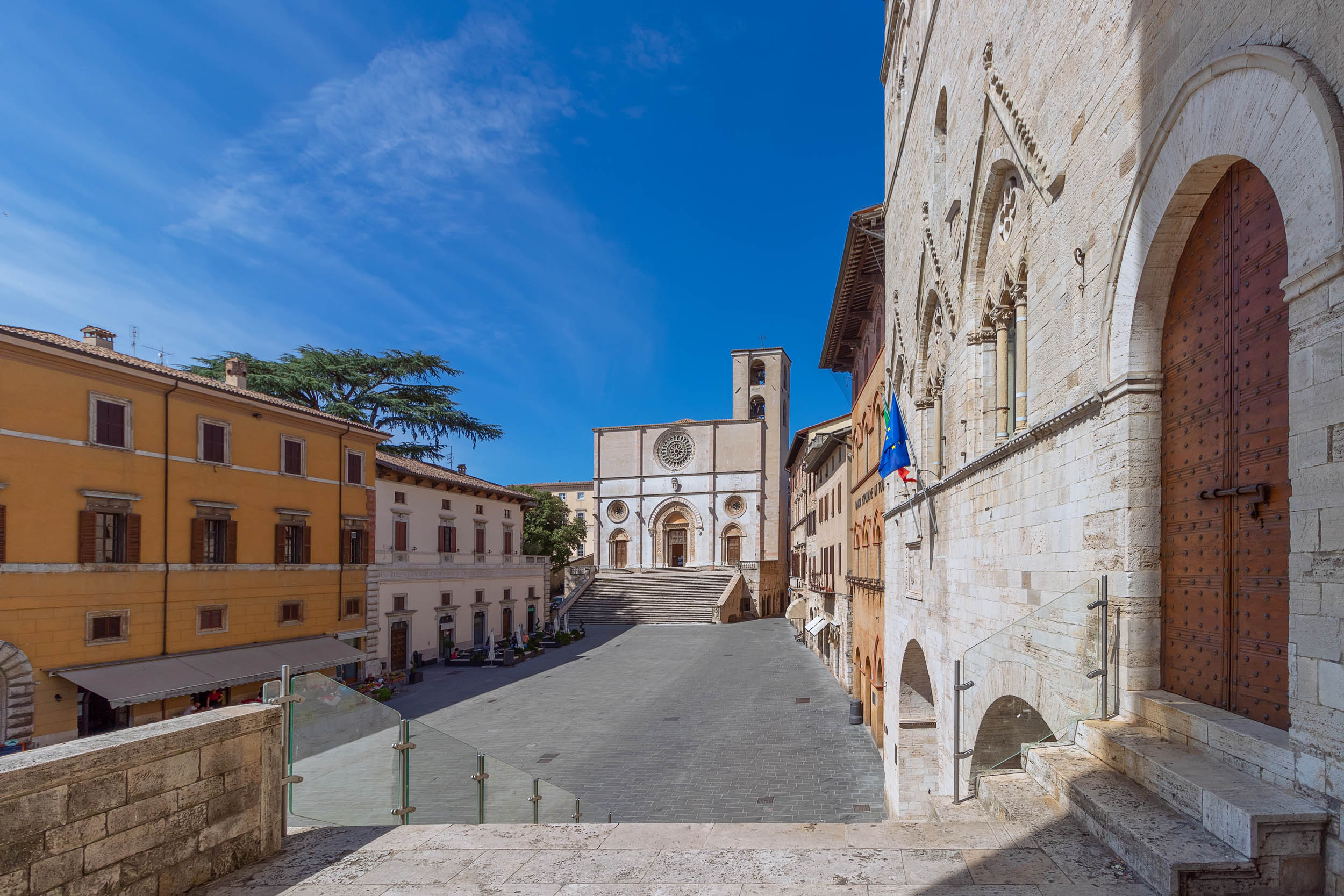
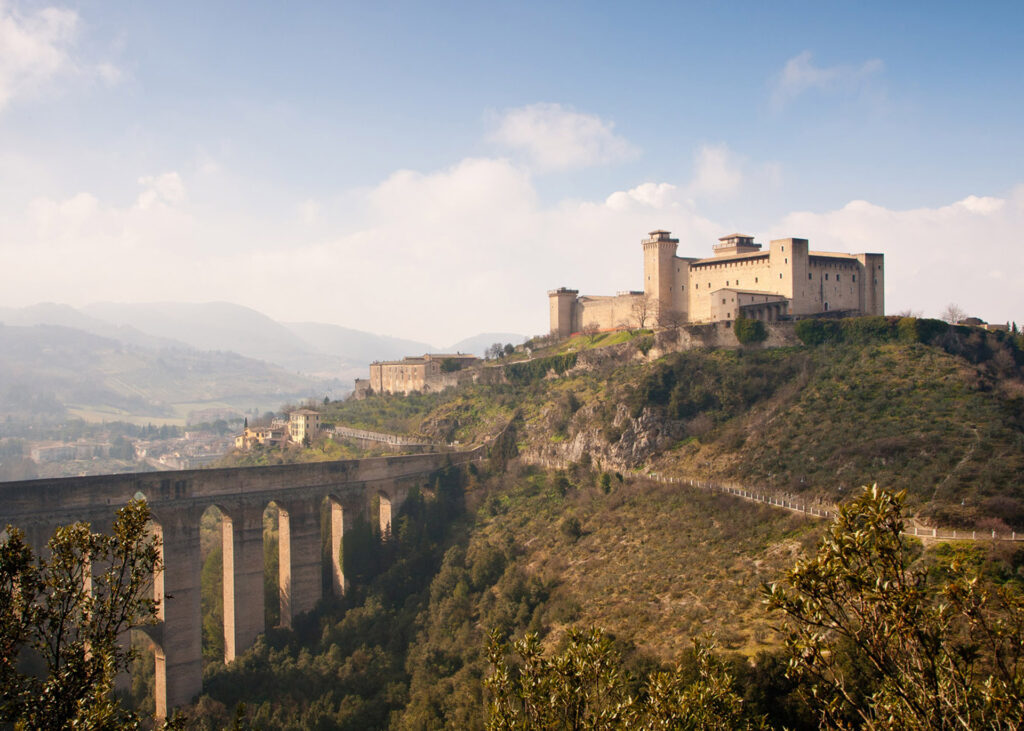
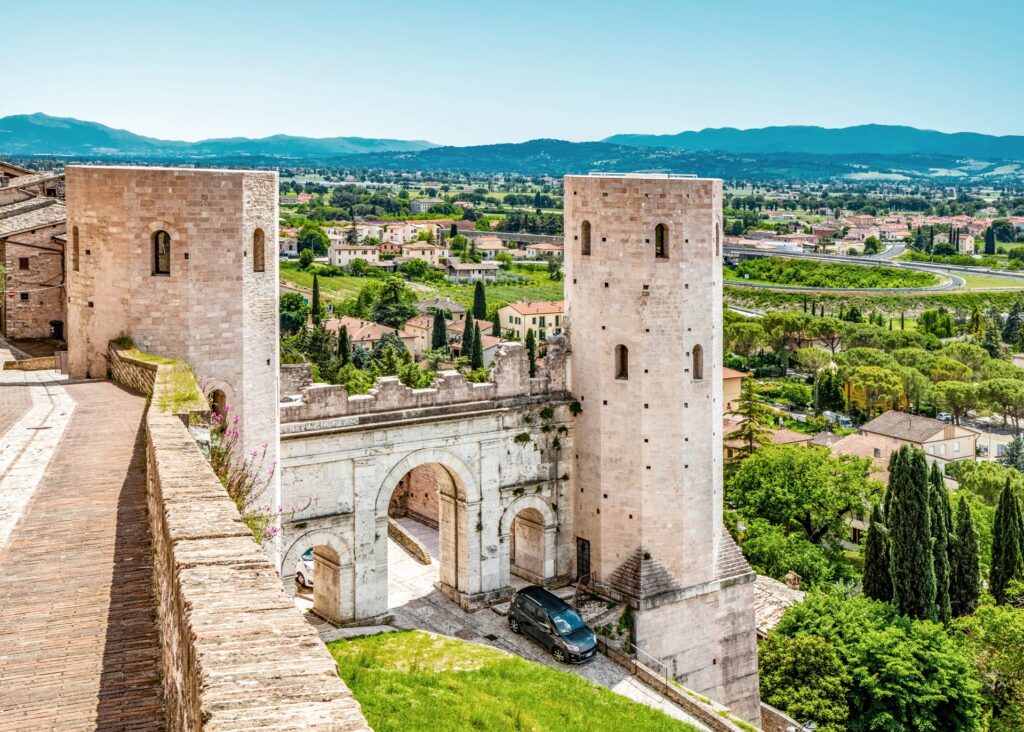
Some right-hand men who had been sent by the Popes to Umbria even modified the contours of its hills once and for all. The clearest example being Cardinal Albornoz, by whose decision many strongholds and seats of power were built all over the land: they are in fact called “Albornoz Roc-ca” or Fortezza, and can be seen in Assisi, Narni, Spoleto, Orvieto, Todi, Spello.
The Papal dominion lasted until the Nation Unification of Italy (1861). Then here we are, at the times of our very grandparents, whose hard-working and tired hands still grasp a multimillennial history that – like a thin, sometimes imperceptible thread – has been handed down to us. In this land, the great Tree of History has deep roots that sink into the abysses of time, and rises on a pow-erful trunk that branches out so as to produce traditions, dialects, spirituality, good food, craftsman-ship, and art.
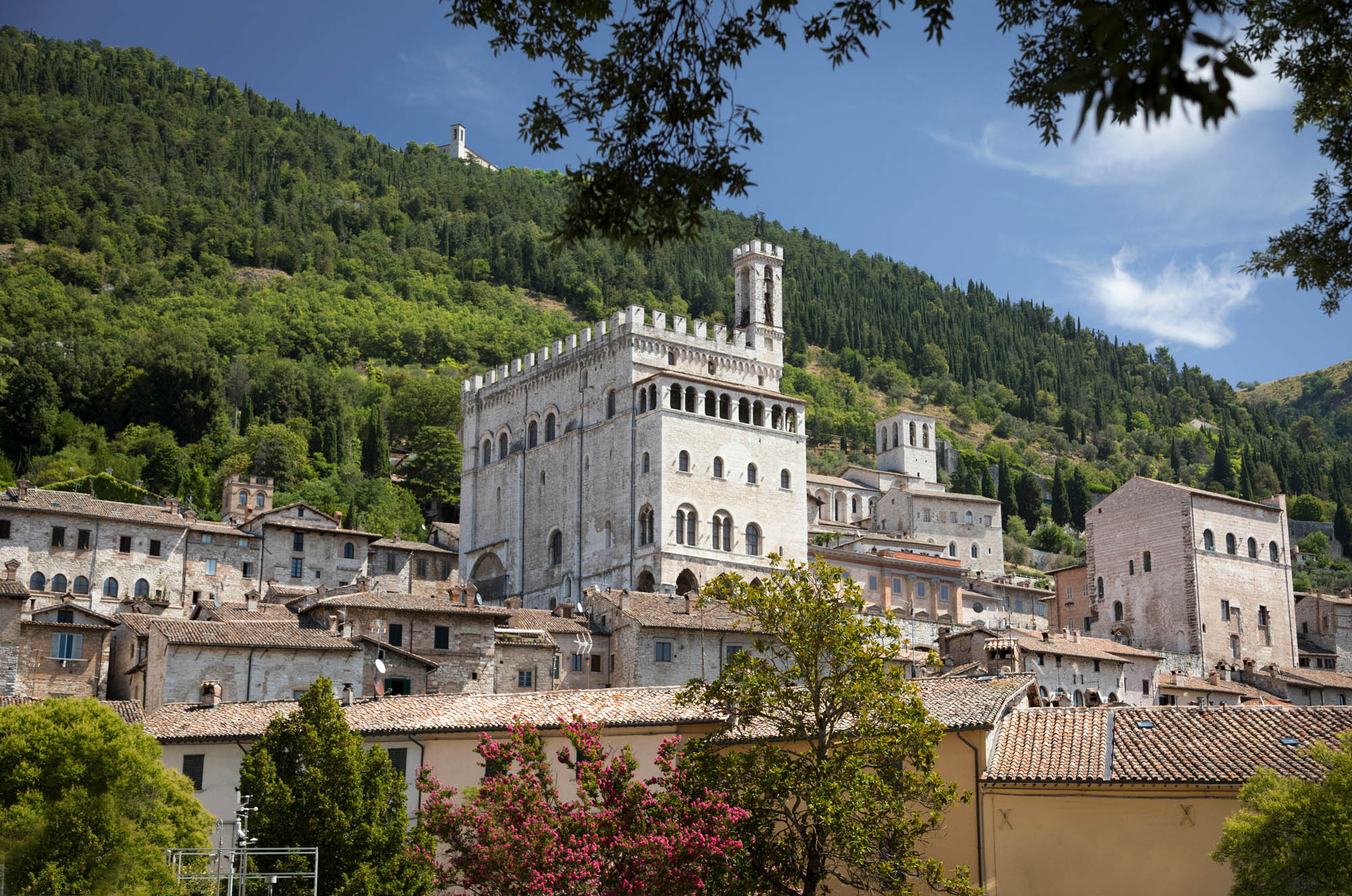
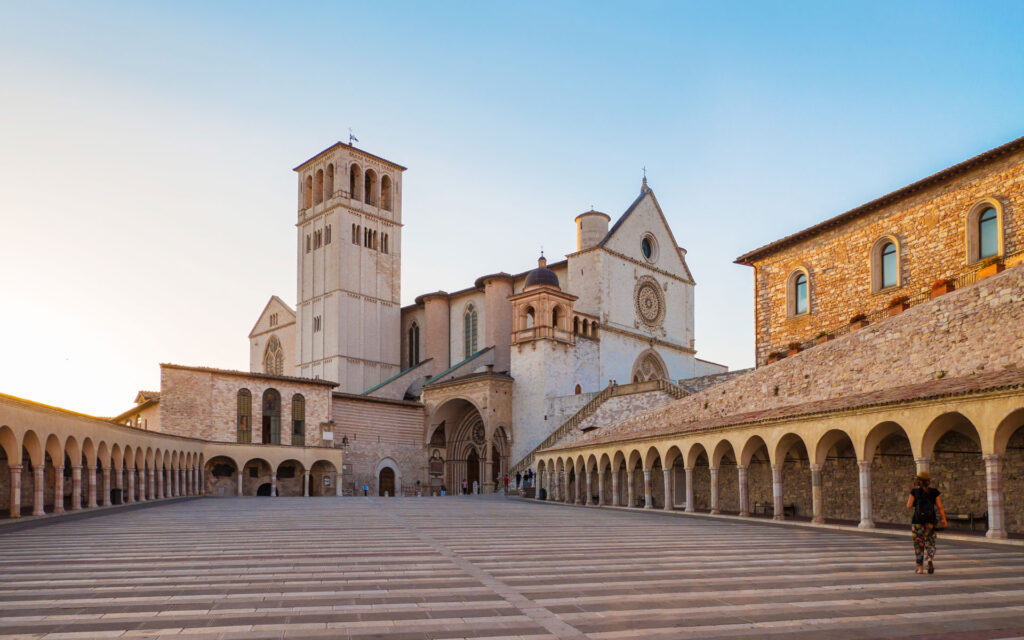
Umbrian culture is all this. It is a land of saints who by means of their lifestyles and works, starting from our towns or villages, changed the world, and still help in its transformation. The best-known case is surely Saint Francis of Assisi, whose impact on people and history has been so great that he is honored everywhere: in Saint Francis' Basilica and the Porziuncola in Assisi, in the Church of Saint Francis al Prato in Perugia, in the Church of Saint Francis in Gubbio – as well as in every ar-ea of the world where the example of his life touched the people's hearts. Of basic importance for the history of Umbria is also the spiritual legacy of Saint Benedict from Norcia, Saint Clare from Assisi, Saint Valentine from Terni, Saint Rita from Cascia.