
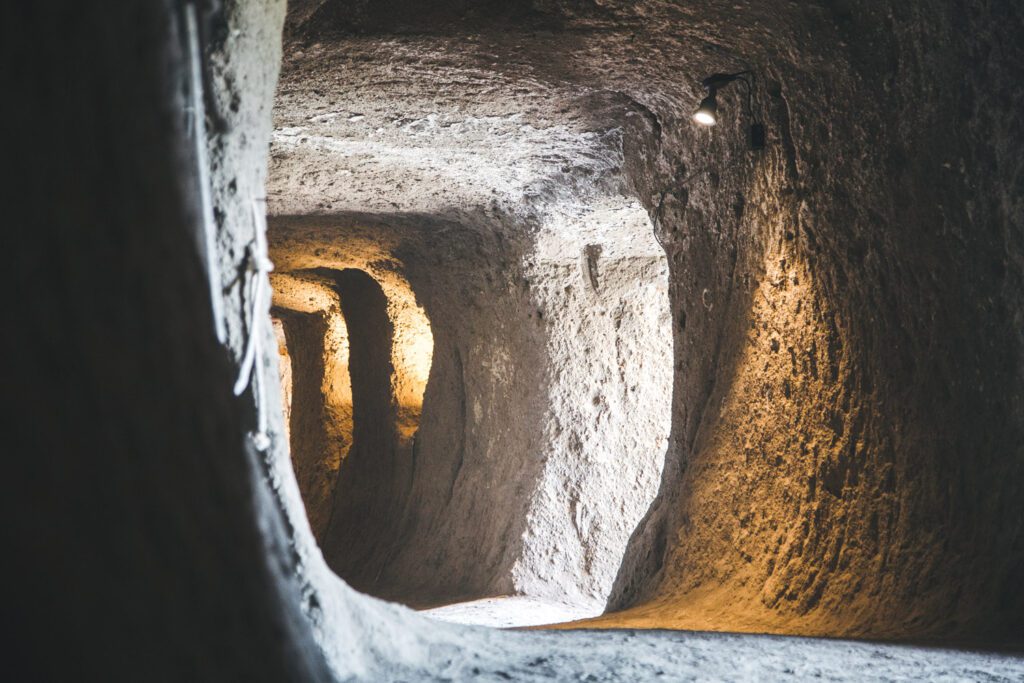
Orvieto Underground
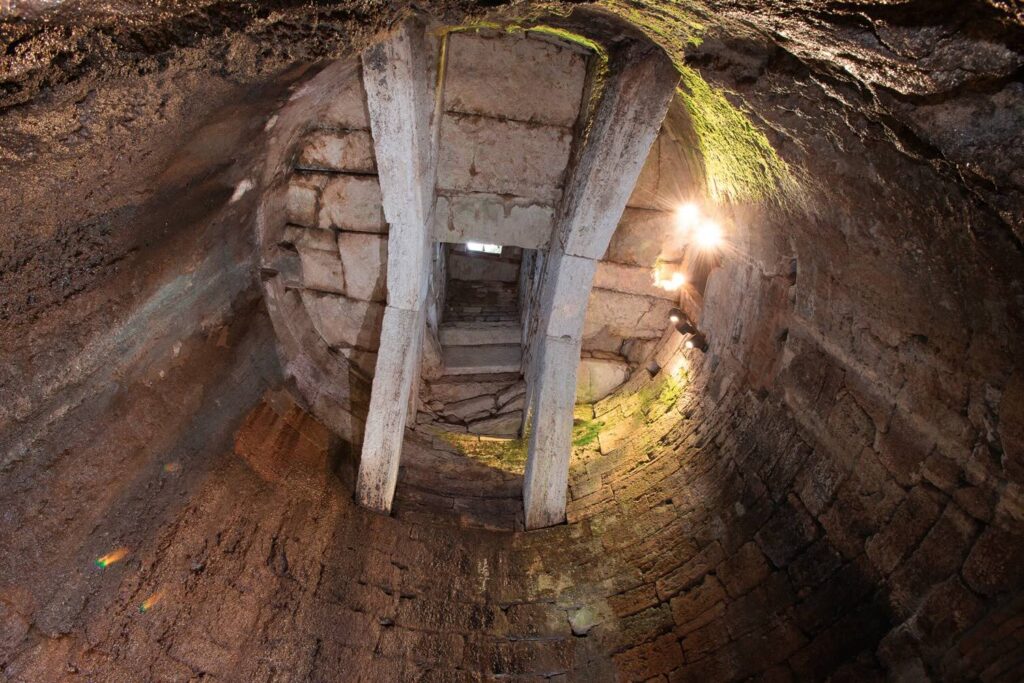
The Etruscan Well of Perugia

Narni Underground
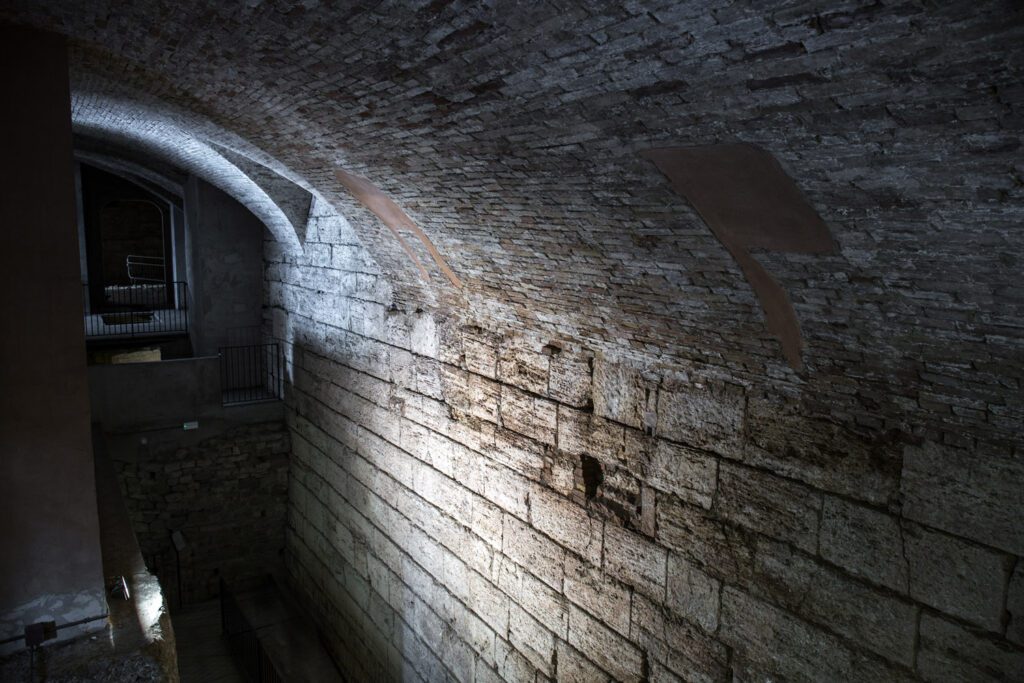
Perugia Underground – The Archaeological Area
Discover Umbria Underground


-
Trips
tailor-madeEvery journey is born
from a desireEvery trip begins with a dream. With Secret Umbria, we design personalized itineraries, tailored to your schedule, interests, and travel style. Villages, nature, culture, and authentic experiences intertwine in unique itineraries, designed to let you experience Umbria in a profound and personal way.
Umbria Underground

A heritage HIDDEN BETWEEN HISTORY AND MYSTERY
Umbria, beyond its landscape and historic centers, its gastronomy, and its quality products, possesses a resource of great charm. Indeed, beneath the Umbrian territory lies a network of ancient underground passages, underground monuments, and mysterious buried places that is unique in our country. The rediscovery and promotion of these underground areas for tourism began several years ago, thanks to the long-standing work and passion of local speleological groups and enthusiasts: in various cities, including Perugia, Assisi, Orvieto, Narni, Todi, and Amelia, several underground monuments are now visited by a large public.
A long and passionate survey, carried out in collaboration between Superintendencies, Municipalities, Pro Loco (tourist associations), and volunteers throughout the region, has led to the creation of a reliable and in-depth map of the underground areas open to tourists and the curious. Some of these sites have been converted into museums and made fully accessible, while other underground sites—which require the assistance of an expert guide—offer the possibility of an adventurous and unique visit, while still meeting all necessary safety requirements.
Within Umbria's vast underground world, you'll find a wide variety of monuments, buildings, and hypogea: ancient Roman domus decorated with frescoes and mosaics, gurgling aqueducts and dizzying wells, wartime shelters, and places of worship forgotten for centuries, just waiting to be explored. Some of the sites surveyed were built directly underground, such as aqueducts and air raid shelters, while in other cases, they are ancient buildings slowly obliterated by the evolution of cities.
Umbria UndergroundProposes a journey beneath the Umbrian landscape, beginning with the Etruscan Well of Perugia, Narni Underground, Perugia Underground, and Orvieto Underground, and extending to places yet to be discovered throughout the region, a region that promises to continue to grow.
Typologies of Underground Sites
Within the vast and multifaceted panorama of the Umbrian underground world, several types of sites can be identified, classified according to their original functions.
Waterways
The exploration and exploitation of water have always been primary and fundamental activities for the development of urban centers. Structures built to transport and collect water, such as Roman and medieval aqueducts, wells from every era, and large cisterns, belong to this category. Visiting the "waterways" means discovering the daily life and artisanal and industrial activities of the past.
Places of Worship and Faith
There are many underground sites linked to the religious practices of past centuries: pagan temples, crypts of Christian churches, and burial sites. Particularly rare is the only catacomb in Umbria, located along the ancient Via Flaminia, not far from Massa Martana. Also of great historical interest are the cells of the Inquisition Tribunal, which can be visited in Narni.

Underground Art
Roman domus and baths were often decorated with splendid frescoes, mosaic floors, and marble floors, artistic testimonies to daily life in centuries past. Beneath many historic centers, often through unexpected entrances, surprising archaeological remains transport visitors to the heart of history.
Work and Daily Life
Over the centuries, many productive and social activities have taken place, at least in part, in underground spaces or those that later became underground. This is the case with the ancient ceramic kilns in Deruta, the olive oil mills, cellars, and dovecotes for raising pigeons in Orvieto, the Roman workshops adjacent to the Roman Forum in Assisi, the air raid shelters, and even an entire medieval neighborhood enclosed by the Rocca Paolina in Perugia.