What to see in Perugia
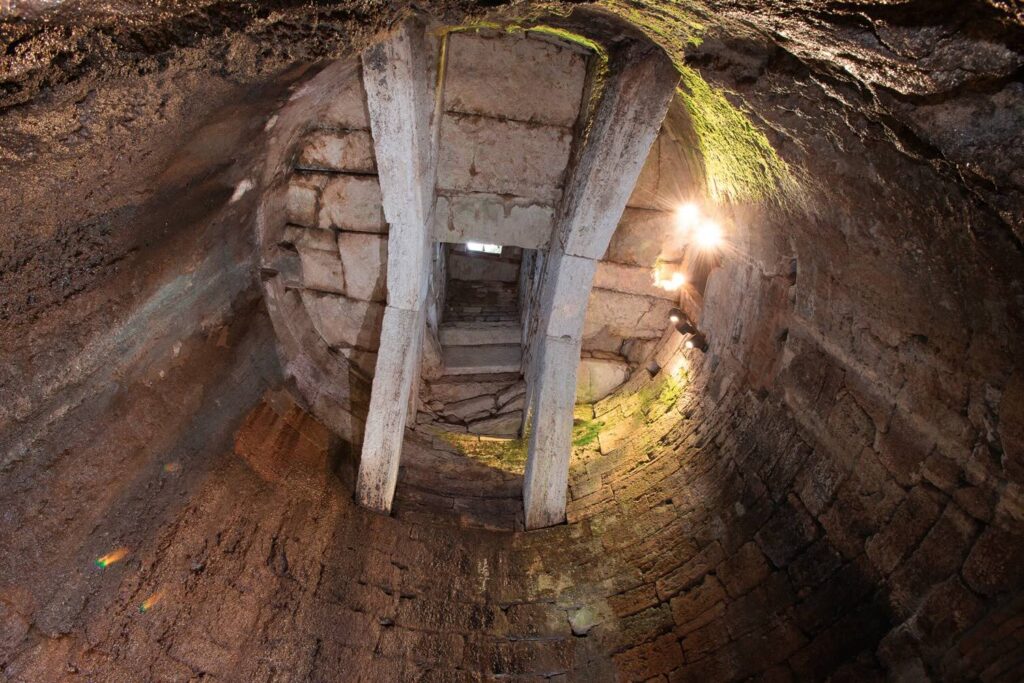
The Etruscan Well of Perugia
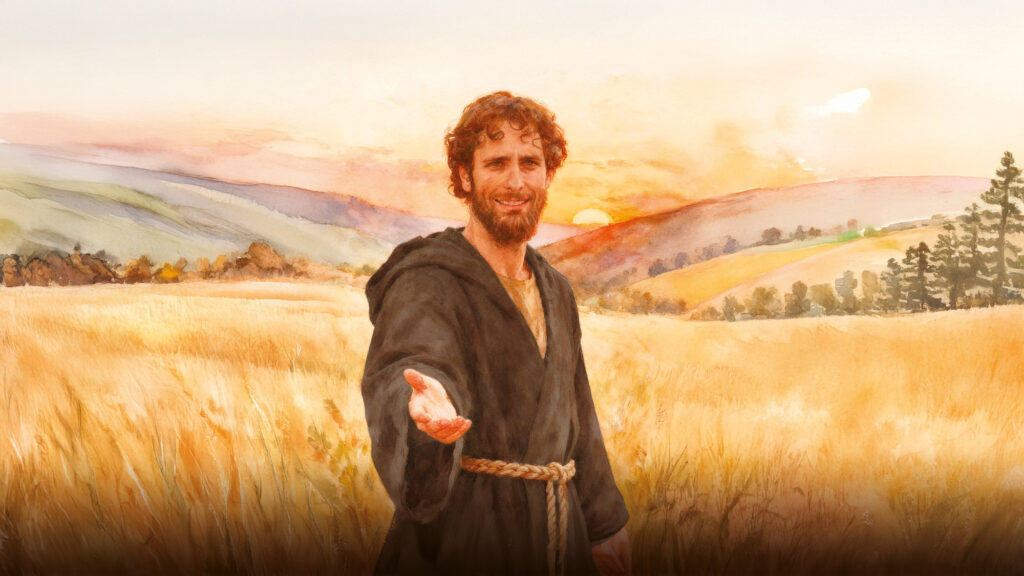
Con Francesco – Immersive Experience
Walking Tour Perugia
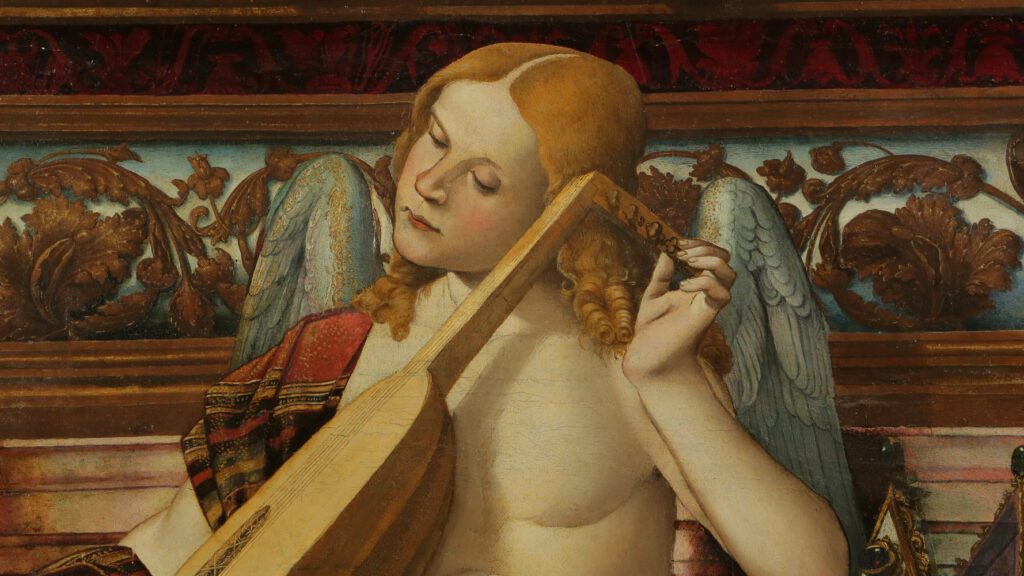
The Museo del Capitolo – Perugia
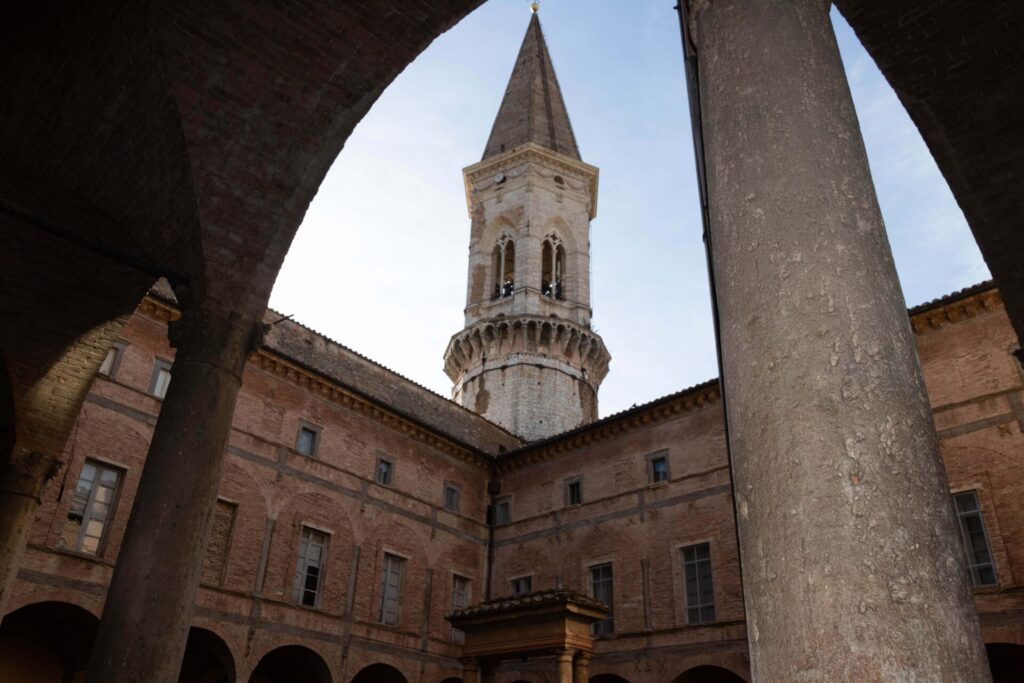
Saint Peter’s Abbey
The Old Town Center – Perugia
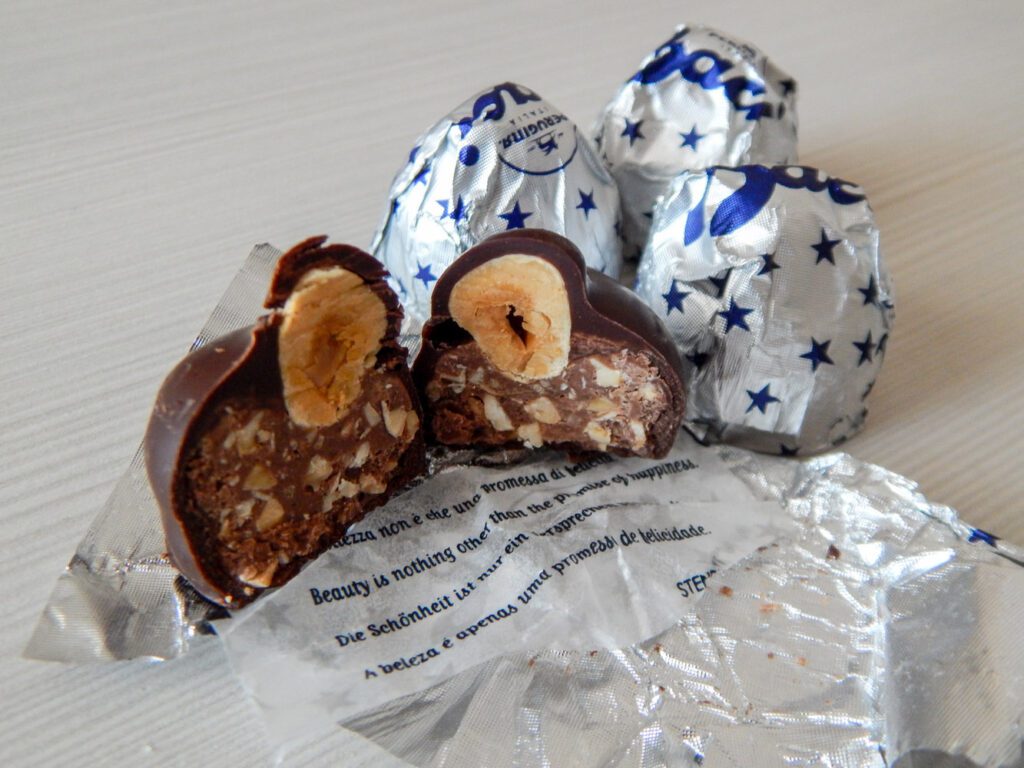
Chocolate in Perugia
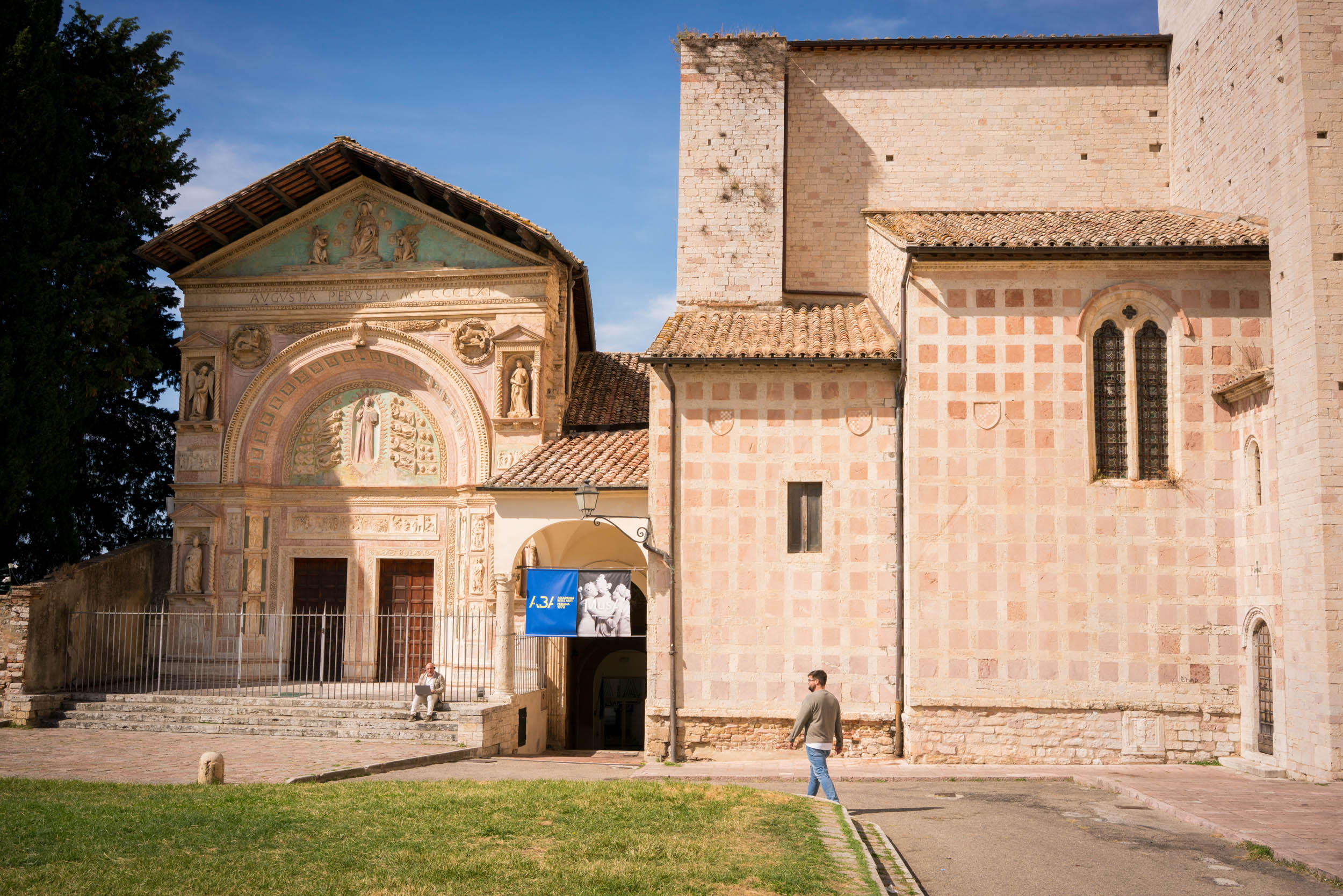
San Francesco al Prato, San Bernardino (Churches)
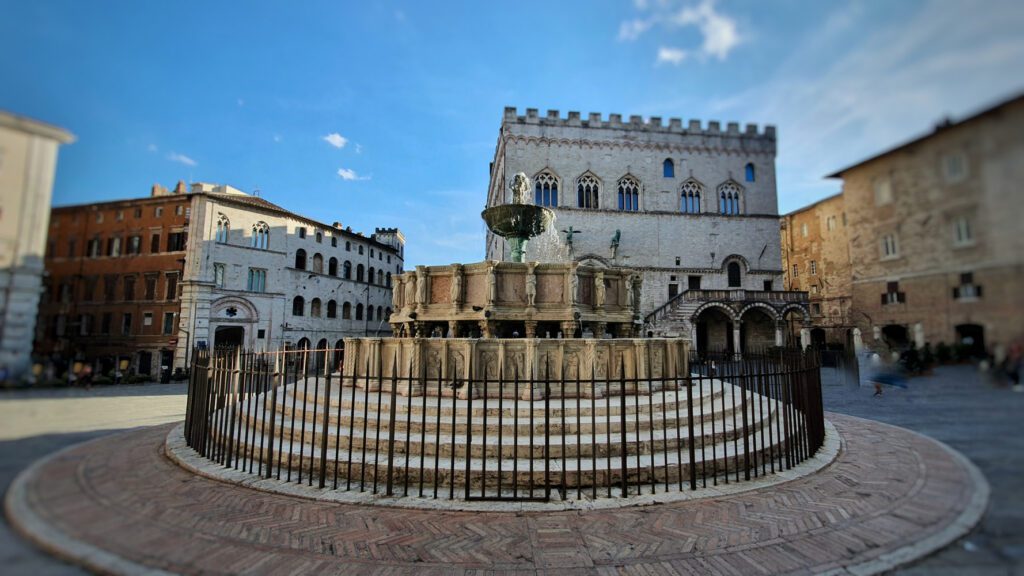
A Fountain for an Aqueduct
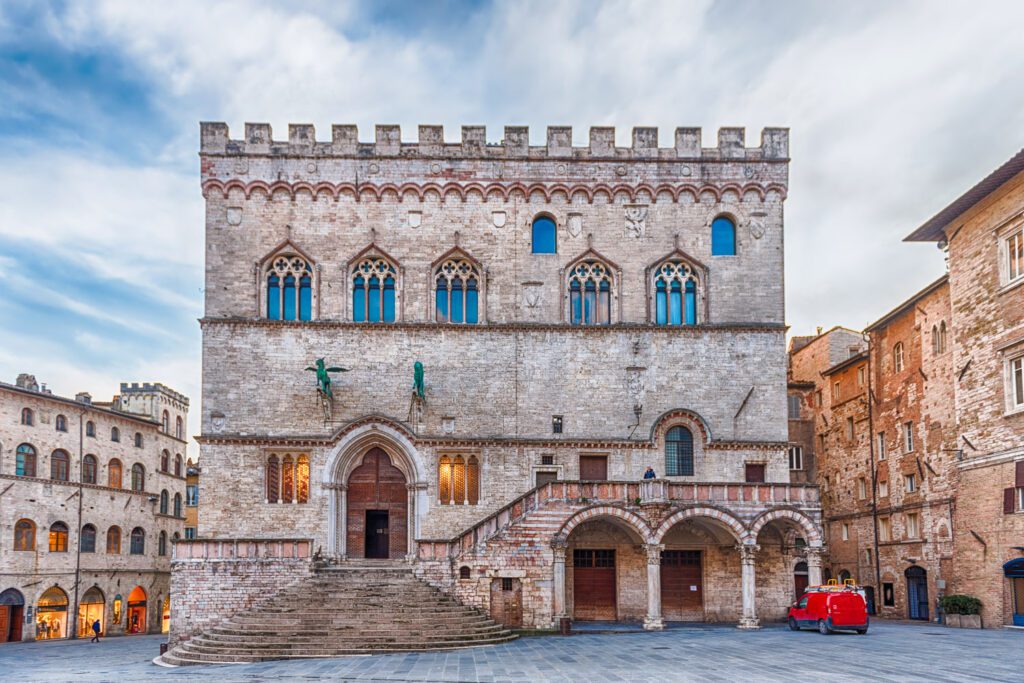
The Palace of Priors
The Rocca Paolina – Perugia
The Saint Lawrence “Island” – Perugia
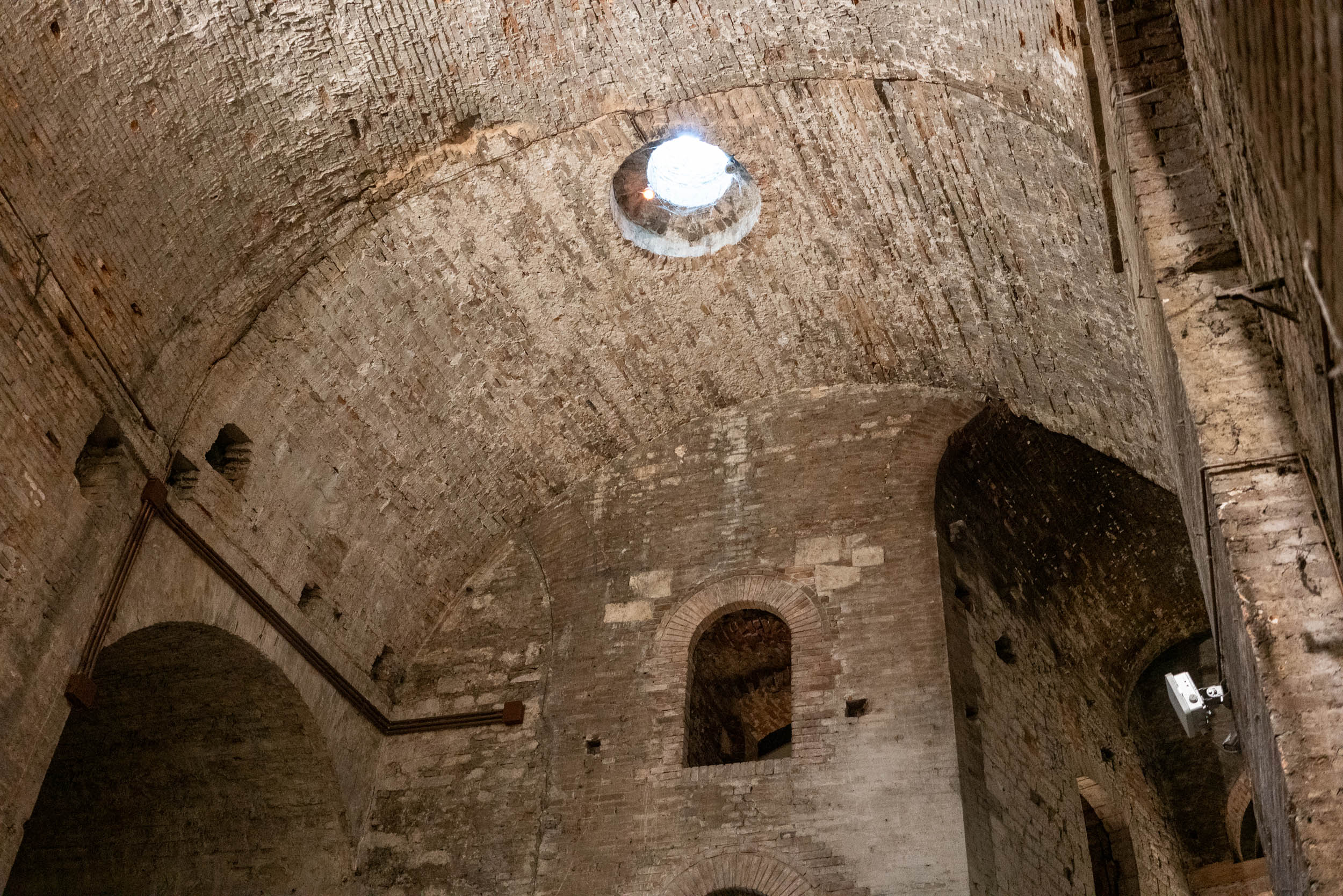
Perugia Underground – The Archaeological Area
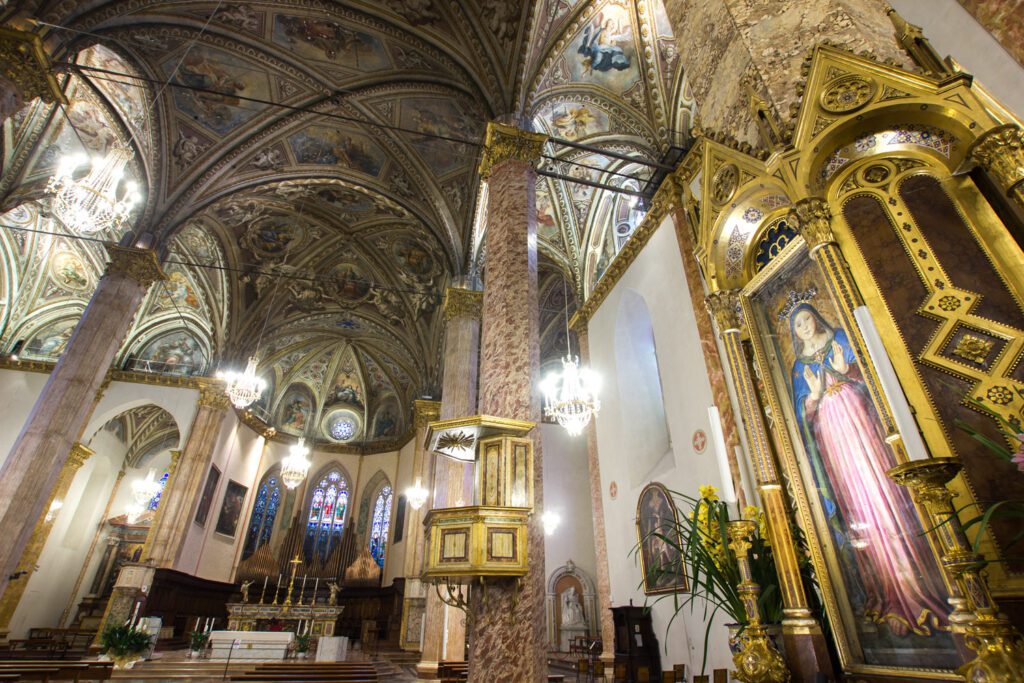
The Cathedral of Saint Lawrence
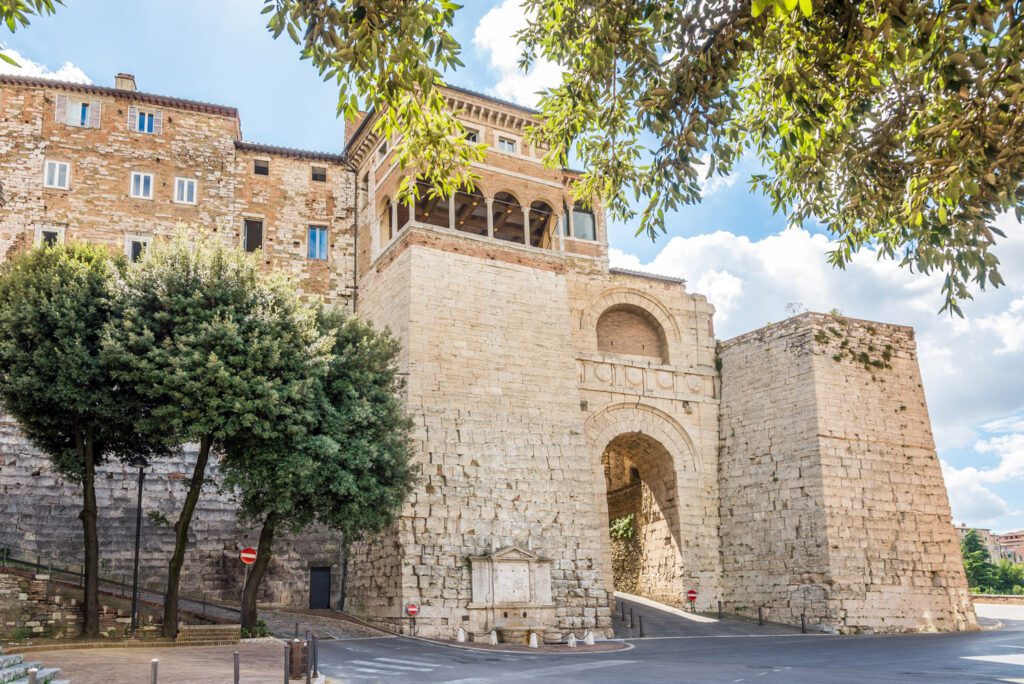
The Etruscan Arch, the Town Walls
Explore the city
-
Walking tour
in PerugiaVisit Perugia with us
Exploring a city on foot is a unique experience, allowing you to soak up its atmosphere and capture nuances that would otherwise go unnoticed. Walking with a local guide through the streets of Perugia allows you to discover hidden corners, evocative views, and details that escape those who travel quickly or by fast transport.
Discover Perugia

Views, Layers, and Differences in Level
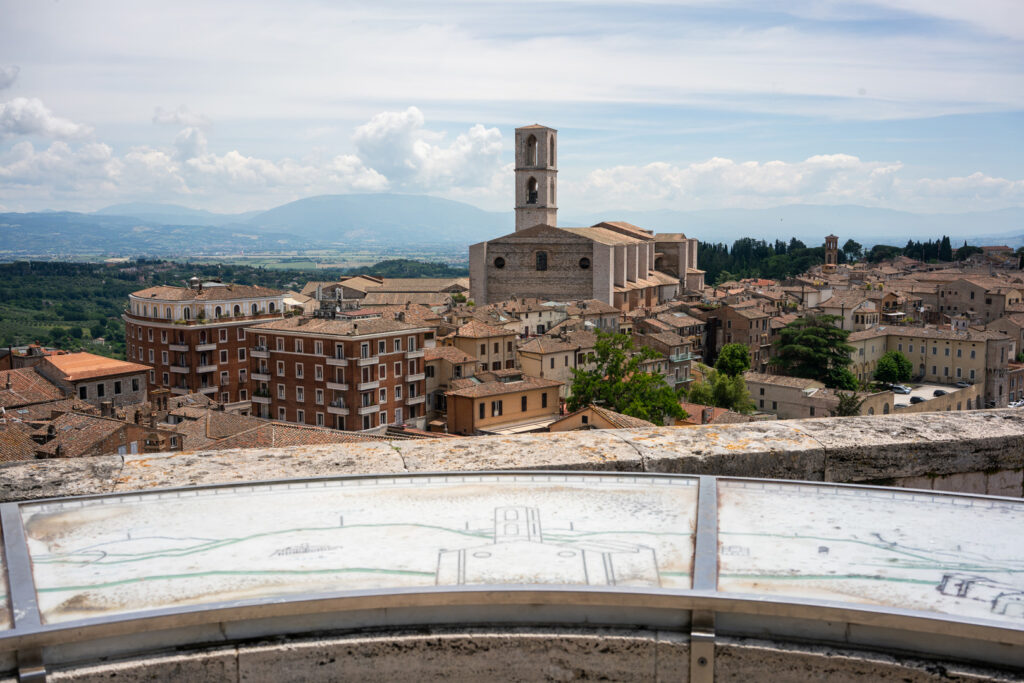
Perugia, the capital of Umbria, is a diverse city, spread across wide streets and winding alleys, squares and open spaces with fountains and wells, and breathtaking panoramic views. The main street, named after Pietro Vannucci, known as the Perugino, corresponds to the cardo maximus of the ancient city and connects the two highest points: Colle del Sole, from which you can admire the medieval walls that extend for over 6 kilometers, and Colle Landone, which offers a sweeping view of some of the city's medieval and modern neighborhoods and the surrounding area, all the way to Assisi, Spello, Foligno, Mount Vettore, and the Tiber Valley.
Perugia has numerous differences in level, which in the historic center are alleviated thanks to a system of highly evocative escalators and elevators, as well as functional to the needs of visitors.
Three thousand years of history
The Umbrians had already settled on these hills between the 11th and 10th centuries BC, but it was thanks to the Etruscans that the site became a city starting in the 6th century BC. Part of the Dodecapolis, Perugia was among the major Etruscan centers and was finally subjugated by the Romans in 40 BC at the end of the Bellum Perusinum. The inscription Augusta Perusia, which attests to the dominion of Imperial Rome under Octavian Augustus, is still visible on the top of the recently restored and magnificently preserved Etruscan Arch.
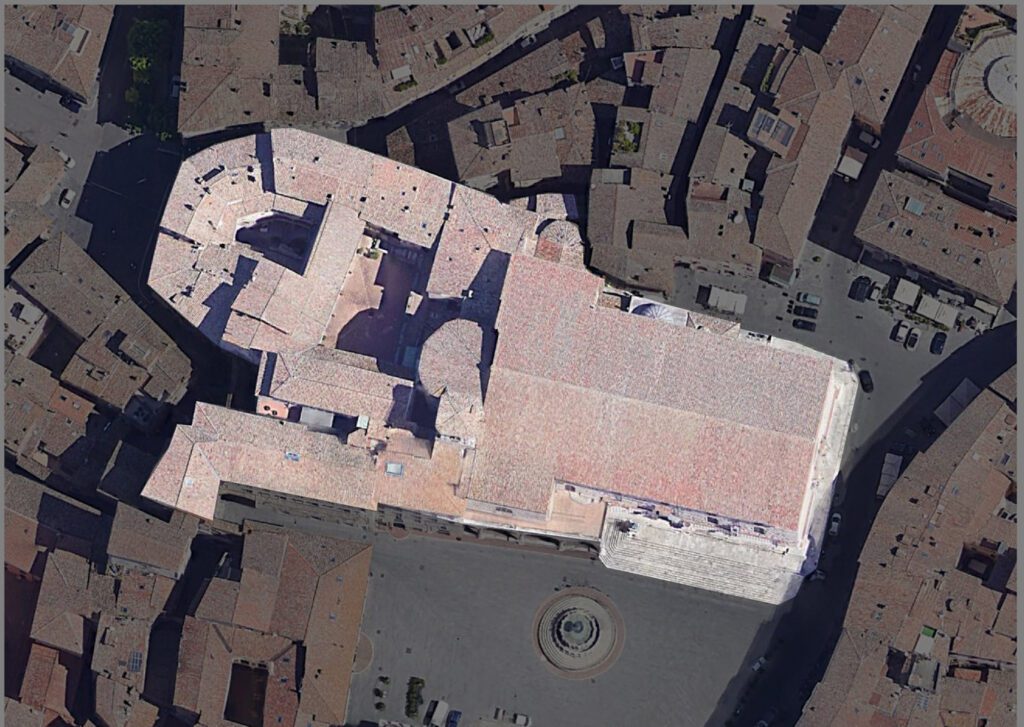
Piazza IV Novembre, among the most beautiful in Italy, is the hub overlooked by buildings and original medieval monuments such as the Fontana Maggiore, the Palazzo dei Priori with the Sala dei Notari and the Galleria Nazionale dell'Umbria, the Cathedral of San Lorenzo, and the Loggia di Braccio. The Piazza Grande, as it was once called, also hides other treasures not visible on the surface. From the Museo del Capitolo della Cattedrale, you descend into the Perugia Sotterranea, an archaeological area that recounts the Etruscan, Roman, and Byzantine presence in Perugia and the stratifications that were created over the medieval centuries.
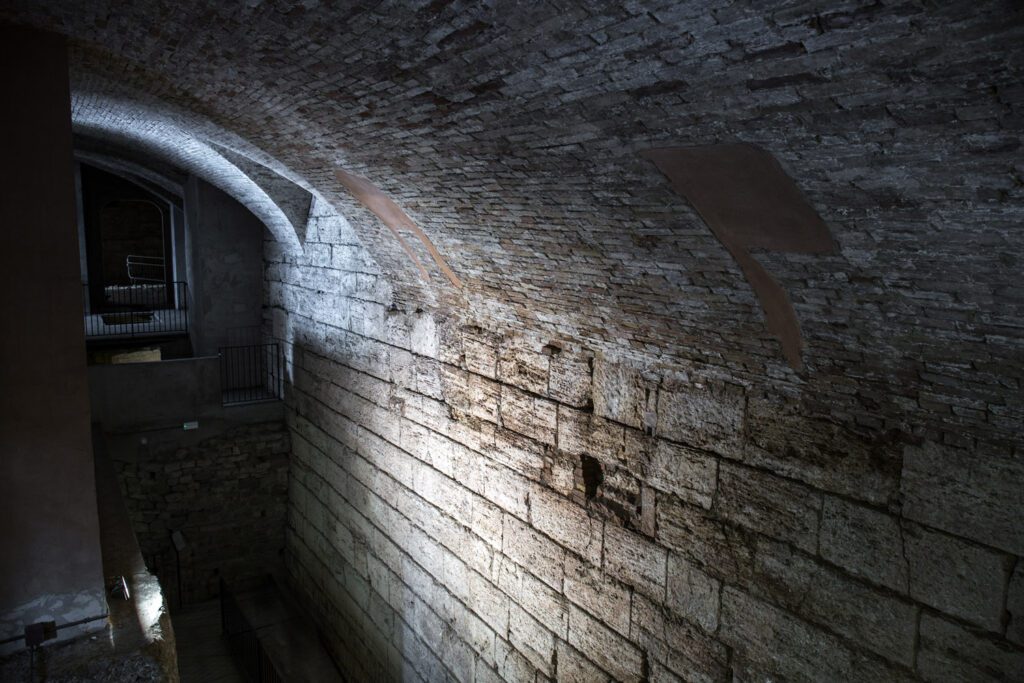
The depths of the Etruscan Well also bear witness to the engineering skills of the city's founders, while the underground area of the Rocca Paolina, commissioned by Pope Paul III Farnese in the mid-16th century, contains medieval buildings and the Etruscan Porta Marzia.


A true city of art
The Middle Ages and the Renaissance were centuries of splendor, during which the city was enriched with fascinating places worth visiting. On Corso Vannucci are the headquarters of the arts and crafts guilds: the Collegio della Mercanzia and the Collegio del Cambio, frescoed by Perugino. In the southern district is the Basilica of San Domenico, with one of the largest Gothic stained glass windows in Italy, and the Benedictine Abbey of San Pietro, with its richly decorated church, three cloisters, and the adjacent medieval garden. In the northern part of the city, we find the Temple of San Michele Arcangelo, an early Christian church with a central plan built on the highest point of the district of the same name. While to the west lies the complex of San Francesco al Prato with the church, once rich in works of art and now restored as an auditorium, and the Oratory of San Bernardino with the façade designed and built by Agostino di Duccio in the mid-fifteenth century.
Between taste and music, Perugia lies
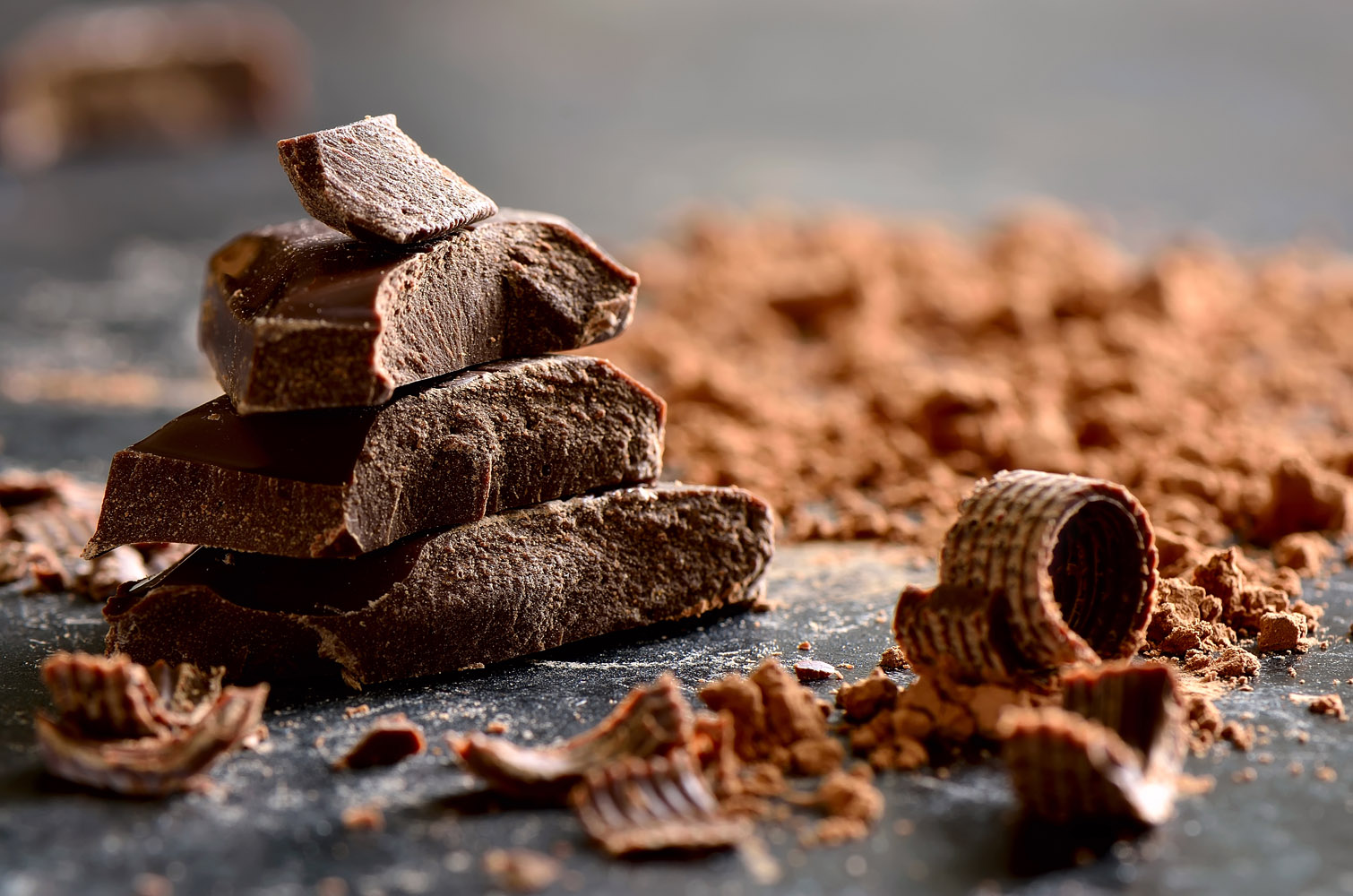
Small artisanal food shops offer delicious breaks to savor typical delicacies such as torta al testo filled with Umbrian produce, wood-fired porchetta, fresh cream made daily, and chocolate, a delicacy for which Perugia is renowned worldwide. The House of Chocolate, the Perugina historical museum, and the City of Chocolate, housed in the former covered market, are true culinary journeys.
Perugia, a city with ancient origins and now cosmopolitan, offers a series of wide-ranging cultural events that periodically put it at the center of attention. In July, the Perugian summer resonates with the sounds of Umbria Jazz, one of Italy's most renowned festivals; In September, classical music fills theaters and concert halls with the Umbrian Music Festival, while October is filled with chocolate with Eurochocolate, the festival dedicated to the food of the gods. At the beginning of November, the traditional Fiera dei Morti (Fair of the Dead) is held, a large market featuring a wide variety of products that coincides with the feast of all saints and the dead. In December, the city center streets are illuminated with lights and host Christmas markets, and the Journalism Festival in April brings Perugia to the headlines.

-
The Ways of St. Francis
in UmbriaFrancesco’s Ways is the tour operator specializing in the Way of St. Francis and the walks of central Italy. We design and offer tailor-made packages for every traveler. Each package includes select hospitality, traditional dining, specialized assistance, and all the services necessary for an organized and worry-free journey.